Informing on culture and lifestyle news in Chile

Provided by AGP

Got News to Share?

AGP Executive Report

Your go-to archive of top headlines, summarized for quick and easy reading.

Note: These AI-generated summaries are based on news headlines, with neutral sources weighted more heavily to reduce bias.

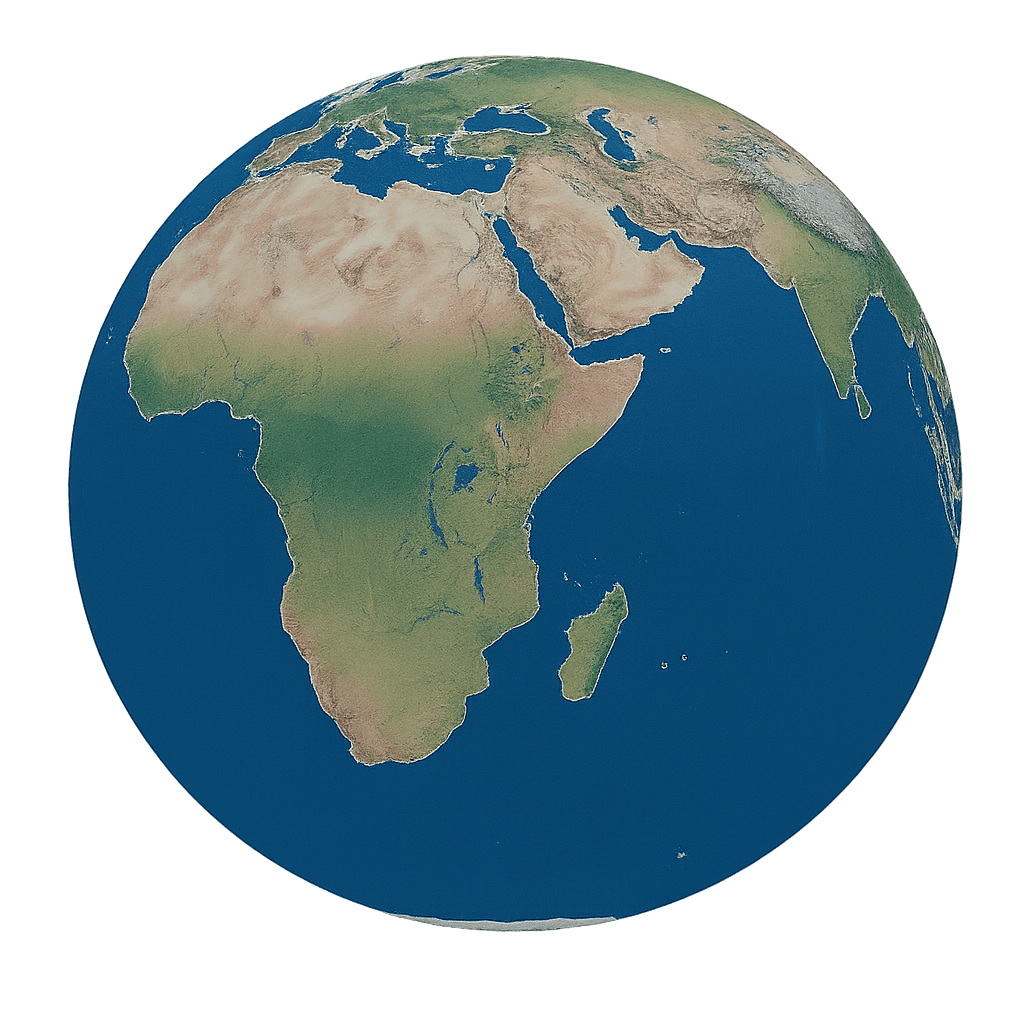
Crime & Justice: Two Chilean men were sentenced to five years in prison in a multi-state burglary ring, while a third Chilean co-defendant had his burglary charge dropped and pled to lesser tools charges. World Cup Buzz: FIFA’s 2026 tournament is locking in—stadium guides and full roster plans are rolling out as final squads approach June 1. Chile in the Spotlight (culture): Chile’s presence at Cannes is growing, with multiple local films competing and a roundup of Chilean titles to watch. Health Watch: A rare hantavirus outbreak tied to a cruise ship has health officials on alert across Africa, with authorities stressing low risk and monitoring after potential exposures. Science & Tech: Canada is funding its role in Chile’s European Extremely Large Telescope, backing an instrument that could help unlock new views of exoplanets and distant galaxies. Sports & Food: “Chopped” crowned an Indigenous chef champion, while Chilean salmon is being pushed as a summer grilling staple.

Hantavirus Panic, Echoing COVID: A rare hantavirus outbreak tied to the MV Hondius has reignited fear worldwide, with coverage stressing how quickly anxiety spreads even as officials urge calm—plus fresh stories about severe past cases are fueling comparisons to COVID-era distrust. Cruise Health Pressure: The outbreak’s timeline and ongoing monitoring keep cruise travel in the spotlight, as ports and health teams prepare for possible new cases. Chile Science Boost: Canada has secured nearly $11.3M to help build Chile’s European Extremely Large Telescope, backing the ANDES instrument and expanding Canadian access to the world’s next giant observatory. World Cup Build-Up: FIFA’s 2026 World Cup squad lists are rolling in ahead of June deadlines, with groups already set and teams preparing for June 11 kickoff. Giro d’Italia Sprint Drama: Stage 6 in Naples is shaping up for a fast finish, with a tight breakaway and a dangerous spectator moment raising safety questions.

Medical Free Speech: The U.S. Supreme Court declined to hear a landmark COVID doctor case, but Washington state quietly dropped charges against two physicians—leaving the bigger fight over whether medical boards can punish doctors for public criticism of vaccines unresolved. World Cup Build-Up: FIFA World Cup squads are starting to surface ahead of the June 11 kick-off, with provisional lists already filed and final 26-man squads due by June 1. Chile in the Spotlight: A Chilean town near Tiltil’s landfill is again in the headlines over methane and health fears tied to the world’s biggest human-made methane dump. Hantavirus Watch: Florida officials say there’s no confirmed hantavirus in Volusia County yet, while cruise-linked cases keep prompting preparedness. Culture & Art: Frieze New York’s Focus Stand Prize went to W-galería for Indigenous Chilean artist Seba Calfuqueo.

Hantavirus Watch: A cruise-linked hantavirus outbreak is widening again: an American passenger has tested positive after evacuation from the MV Hondius, and 18 U.S. passengers are now being monitored across Nebraska and other states, as health officials stress there’s no immediate public risk while the WHO warns more cases could surface due to the virus’s long incubation. Chile’s Methane Crisis: Back home, Chile’s Tiltil landfill—35 miles north of Santiago—has been flagged by the UN as the world’s biggest human methane emitter, with residents describing daily odors, flies, and health worries as satellites estimate massive annual methane output. Housing Rights Debate: A new podcast episode spotlights why forced evictions don’t fix housing problems—often just displacing families into worse conditions. Diplomacy: India’s trade chief met Chile’s foreign minister to push market diversification and services cooperation. Culture: WOMAD is set for Glasgow this summer, bringing world music to Kelvingrove Park.

Immigration Crackdown: Mexico’s National Migration Institute is reportedly stepping up raids in Mexico City, detaining people without legal status as other countries in the region intensify deportations. Sports & Chilean Pride: A Chilean student-athlete, Tomas Valencia, helped Illinois State earn Academic All-District honors, highlighting how sport and study are moving together. World Cup Culture: FIFA released “Illuminate,” featuring Palestinian-Chilean singer Elyanna, adding another global music push ahead of the 2026 tournament. Health & Rights: A U.S. Supreme Court refusal leaves a medical free-speech fight unresolved, even as Washington quietly dropped charges against two doctors. Chile in the Spotlight: Chile’s Futaleufú River is being promoted for long white-water rafting trips, with the river’s ecological protection law in the background.

Medical Free Speech: The U.S. Supreme Court declined to hear a case over whether Washington can discipline doctors for publicly questioning COVID vaccines, but Washington quietly dropped charges against two physicians just before the decision—leaving the broader fight over doctors’ rights to speak in public still unresolved. Cannes Politics: At Cannes, jury members including Paul Laverty and Park Chan-wook pushed back on the idea that politics should be kept out of cinema, while Laverty called out “Hollywood” for blacklisting pro-Gaza voices like Susan Sarandon and Mark Ruffalo. World Cup Music: FIFA released “Illuminate,” featuring Palestinian-Chilean singer Elyanna and Jessie Reyez, as part of its 2026 rollout. Chile Watch: Chile’s Indigenous ECMPO ocean governance faces pressure from outside interests, with Kawésqar communities warning that protections are under threat. Sports & Business: Volleyball leaders advanced “Strategic Vision 2032” to make the sport more accessible, while NexGold kicked off new airborne surveys at its Goldboro project.

Hantavirus on the move: The MV Hondius outbreak keeps unfolding as passengers disembark and fly home to quarantine, with WHO stressing the risk to the public is low while officials track the Andes strain and whether any human-to-human spread is possible. Chile’s food & culture radar: A new birria xiao long bao collaboration hits Costa Mesa, while in Chile music news lands big—Juanes is set to headline Chile’s first Bamba Festival in October at Parque O’Higgins. Tech policy that reaches Chile: Apple is tightening its Education Store discounts, requiring verification via UNiDAYS (now including Chile), ending the old honor-system. Sports intrigue: Football’s “spygate” story resurfaces in the latest spying allegations around a playoff clash. Public health debate: A U.S. Supreme Court refusal leaves unresolved whether medical boards can punish doctors for publicly questioning COVID policies, even as Washington quietly dropped charges against two physicians.

Hantavirus Alert on the MV Hondius: One American passenger has tested mildly positive for hantavirus after being evacuated from the cruise ship tied to three deaths, with 17 U.S. passengers now back home in quarantine. The bigger story is uncertainty: health officials say the virus’s spread isn’t fully understood, so countries are using different quarantine rules and monitoring plans. Public Health Watch: Indonesia is also on alert after suspected cases linked to the European outbreak, keeping pressure on testing and travel monitoring. Chile in the Mix (food & business): Hectre is bringing senior fruit industry leaders to Chile for a week of packhouse visits, spotlighting tech meant to cut waste and improve efficiency. Culture & Identity: Elyanna, the Palestinian-Chilean singer, joins the FIFA World Cup 2026 soundtrack with “Illuminate,” adding another cross-border pop moment to the tournament build-up. Work-Life Health: A new OECD study presented in Istanbul links shorter working hours to lower obesity rates.

In the last 12 hours, coverage is dominated by public-health and enforcement items rather than Chile-specific politics. The WHO chief discussed a hantavirus outbreak linked to a cruise ship, saying the incubation period can be “up to six weeks” and that more cases may be reported, while also characterizing the situation as a “cluster in a confined space with close contact.” Separately, INTERPOL reported an international crackdown on illicit pharmaceuticals (Operation Pangea XVIII), seizing 6.42 million doses worth USD 15.5 million and disrupting thousands of criminal-linked online channels—an example of cross-border action against counterfeit medicines. Other recent items are more local or lifestyle-oriented (e.g., a library summer programming roundup; restaurant inspection results; and Mother’s Day dining coverage), suggesting routine community and consumer reporting rather than a single major Chile-related development.

Several of the most recent headlines also connect to the broader “critical minerals” theme, which is relevant to Chile’s mining context even when the articles are not Chile-focused. A report frames critical minerals as “the new oil” while warning about a “hidden water cost” in the sustainability transition—an argument that aligns with older coverage in the same week about mining’s environmental and social impacts. In parallel, there are multiple pieces focused on mining governance and disclosure, including an analysis of why mining ESG reporting may be failing and how companies can fix it—again reinforcing that the debate is increasingly about transparency, data quality, and real-world impacts, not just production.

From 12 to 72 hours ago, the coverage continues to emphasize mining and extractivism narratives, including a warning that China’s lithium push in Latin America locks the region into a “raw materials trap,” and that Chinese investment is “predominantly extractive,” leaving environmental and social costs in Latin America while higher-value processing and manufacturing are captured elsewhere. This thread is complemented by earlier background on Chile’s methane emissions: a UN report is cited as ranking Chile landfills as top emitters of methane, adding an environmental accountability angle to the same resource-and-impact conversation. Together, these items suggest continuity: the week’s reporting repeatedly links extractive industries (especially lithium) with governance, environmental externalities, and the need for stronger standards.

Finally, the most Chile-adjacent “hard news” in the provided material is sparse in the last 12 hours themselves; much of the Chile-specific substance appears in older items (e.g., Chile’s methane ranking and the lithium/China value-chain critique). In the most recent window, the evidence leans more toward global health, enforcement, and general business/travel/culture coverage, so any conclusion about Chile-specific change in the last day would be conservative based on what’s shown here.

In the last 12 hours, coverage is dominated by travel, culture, and event-planning items rather than Chile-specific breaking news. Several pieces focus on cruise and expedition travel: Silversea’s Conrad Combrink highlights a growing trend among Australian and Asian travelers to use “fly-cruise” options to Antarctica (avoiding the Drake Passage), with Silversea operating direct flights from Santiago to Puerto Williams and onward to King George Island, plus plans for a new luxury hotel in Puerto Williams. Other cruise-related items include Oceania Cruises unveiling two 180-day Around the World voyages for 2028–2029 and Viking opening bookings for 2028–2029 expedition voyages, both framed as expanded access to polar and remote itineraries. There’s also lighter, lifestyle-oriented coverage such as Mother’s Day dining options (Key Biscayne) and Cinco de Mayo food traditions, alongside a business/trade note about the UK GREAT Zone pavilion concluding at FIDAE 2026 in Santiago with strong institutional and business participation.

Beyond travel, the most “news-like” development in the last 12 hours is international cultural controversy around the Venice Biennale. An article describes protests by Pussy Riot that forced the Russian pavilion to temporarily close during the preview period, with activists staging a chaotic demonstration and police pushing back would-be entrants. In parallel, another piece reports an international coalition (ANGA) escalating efforts to block Israel’s participation in the Venice Biennale, citing a letter delivered in March with growing signatories and alleging prior appeals were ignored—though the evidence here is about advocacy and responses rather than a confirmed Biennale policy change.

There is also a cluster of broader geopolitical/economic coverage in the same recent window, but it is not tightly Chile-centered. One report warns that China’s lithium push in Latin America could lock the region into an extractive “raw materials trap,” with Chinese investment framed as focused on securing lithium supplies while higher-value processing and manufacturing remain elsewhere. Another item discusses the U.S. Supreme Court’s term moving toward a “historic conclusion,” and a separate piece covers a Legionaries of Christ leadership transition framed as rebuilding vocation after the Maciel scandal—again, more institutional/cultural than Chile-specific.

Older articles (12 to 72 hours ago) provide continuity for themes that appear again in the recent window: Chile’s presence in international cultural/architectural recognition (e.g., Smiljan Radić Clarke’s Pritzker-related coverage) and ongoing attention to Chile-linked environmental reporting (e.g., UN reporting on Chile landfills as methane emitters appears in the broader set). However, the most recent 12-hour evidence is comparatively sparse on Chile-specific policy or domestic developments, suggesting that—at least in this rolling window—Chile-focused “hard news” is not the dominant thread of coverage.

In the last 12 hours, Chilean Life’s coverage (as reflected in the provided feed) is dominated by travel-safety and health advisories, alongside culture and business items. A U.S. State Department update warns Americans to “exercise increased caution” in Bolivia, citing common petty crime “especially in popular tourist spots” and the possibility of demonstrations that can disrupt transportation. In parallel, a separate travel-health alert flags a hantavirus outbreak aboard the cruise ship MV Hondius, with WHO noting medical teams boarded the vessel and raising concerns that quarantine could last “up to eight weeks,” depending on the situation and potential transmission dynamics.

The same 12-hour window also includes human-interest and institutional recognition stories. National Geographic named Krithi Karanth (India’s Centre for Wildlife Studies) “Explorer of the Year,” highlighting her work on human-wildlife coexistence and large-scale village outreach. There’s also a cultural/values debate piece on religion—framing religion as both a potential driver of conflict and a tool for peace—plus a reflective essay on COVID-19 that emphasizes “exhaustion” and the less-visible strain on biomedical workers rather than just headline metrics.

Business and industry updates appear as well, though they read more like routine reporting than a single major regional development. SM Entertainment reported first-quarter revenue growth (up 20.6% YoY) attributed to concerts and merchandise/licensing, while trivago reported 15% Q1 growth and raised guidance, citing improved profitability and marketing effectiveness. In the same period, Pan American Silver outlined an enhanced shareholder return framework targeting 35%–40% of annual attributable free cash flow to shareholders (dividends and repurchases), and Hyundai marked 30 years in India with plans for major future investment—both signaling corporate momentum rather than a Chile-specific breaking story.

Looking slightly further back (12 to 72 hours ago), the feed adds continuity around travel and regional context: Canada issued updated travel warnings that include Chile at “Level 2 - Exercise a High Degree of Caution,” and there’s additional coverage of tourism/hospitality expansion (e.g., “Hotels expand amid foreign tourism growth”). It also includes Chile-relevant environmental reporting in the broader dataset, such as an item noting Chile landfill methane emissions in a UN report, and a Chile-linked cultural/education thread (students visiting Chile as part of programs and study trips). However, the most recent Chile-specific evidence in the last 12 hours is sparse—most of the strongest “Chile” mentions in the provided texts appear in older segments rather than the newest batch.

Overall, the newest coverage emphasizes immediate risk communication (crime/travel advisories and a cruise-ship outbreak) plus recognition and analysis pieces (wildlife conservation leadership, religion and conflict, and COVID-19’s overlooked exhaustion). Chile appears more as part of the wider regional context (e.g., travel advisory lists and occasional Chile references) than as the central subject of a single, clearly corroborated major event in the last 12 hours.

Sign up for:

Chilean Life

The daily local news briefing you can trust. Every day. Subscribe now.

By signing up, you agree to our Terms & Conditions.

Share us

on your social networks:

Sign up for:

Chilean Life

The daily local news briefing you can trust. Every day. Subscribe now.

By signing up, you agree to our Terms & Conditions.